

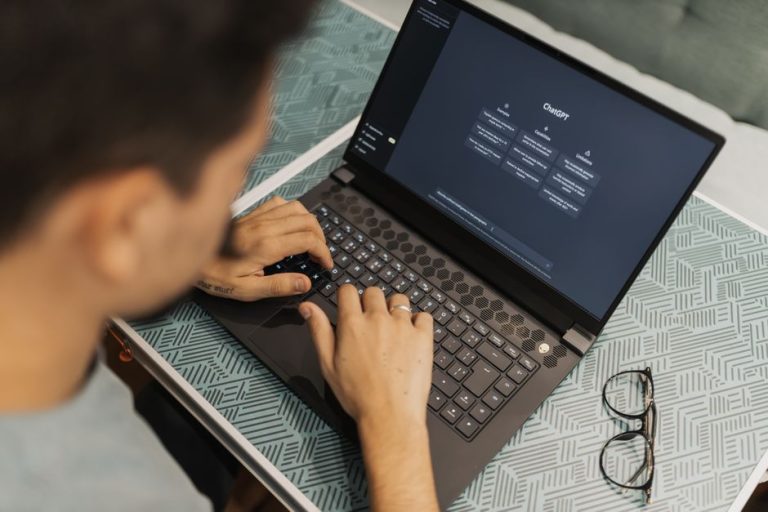


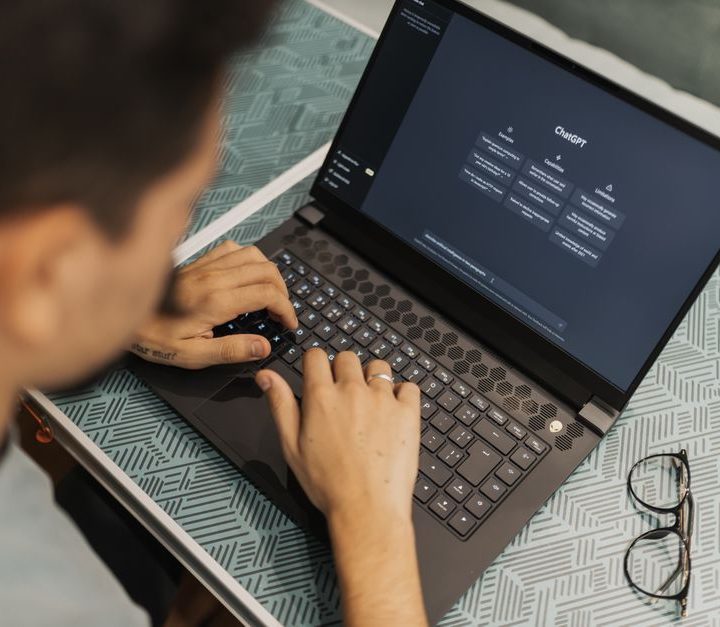
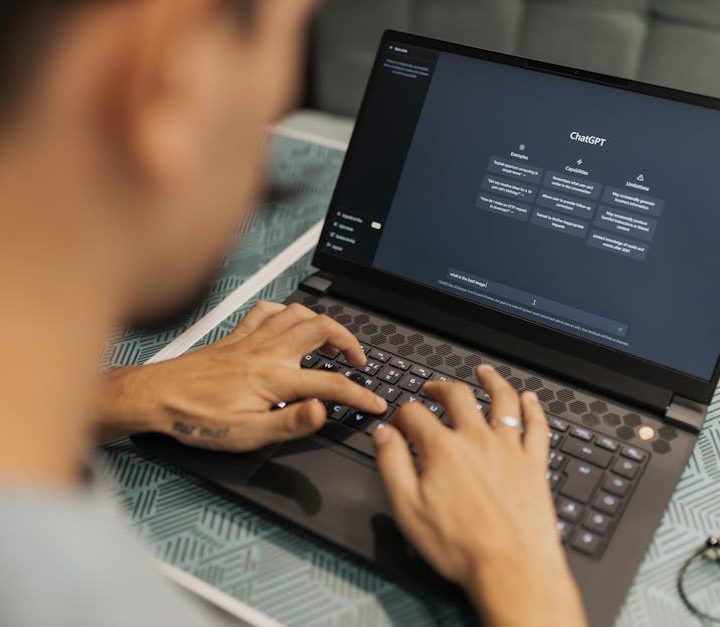


L’Intelligence Artificielle Générative : Révolution ou Évolution ? À l’aube d’une nouvelle ère numérique, l’intelligence artificielle générative (IAG) pourrait bien être la clé qui ouvre les portes de la créativité inexplorée. Ce domaine en pleine expansion permet aux machines de produire du contenu original – que ce soit des textes, Lire la suite…
Travailler efficacement à l’ère numérique

Comprendre l’environnement numérique actuel Comment le numérique redéfinit-il notre manière de travailler ? Le travail à l’ère numérique présente des caractéristiques uniques qui modifient profondément notre manière d’opérer. Le télétravail, par exemple, offre une flexibilité inédite qui permet à 80% des travailleurs de mieux équilibrer leur vie personnelle et professionnelle, Lire la suite…
Informatique et écologie : un duo d’avenir
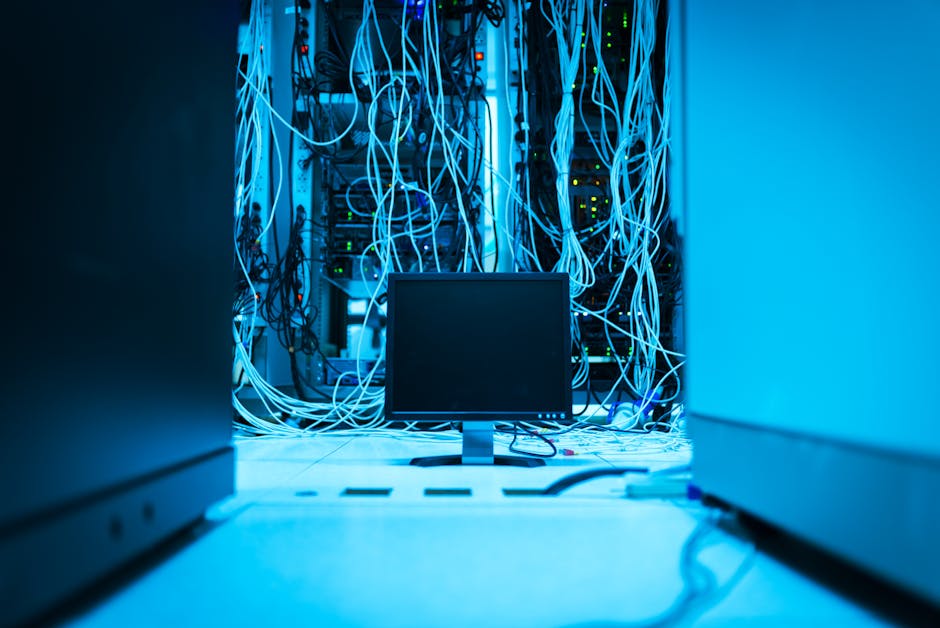
L’informatique, levier d’innovation pour une planète durable Imaginez un monde où la technologie non seulement facilite notre vie, mais contribue également à la protection de notre environnement. L’informatique s’affirme comme un outil puissant dans la lutte pour un avenir durable. Les nouvelles technologies telles que l’Intelligence Artificielle (IA), le Big Lire la suite…
Développement web : outils incontournables
Les fondamentaux du développement web Qu’est-ce qui fait qu’un site web soit réussi ? Le développement web repose sur plusieurs concepts clés qui permettent de créer des sites et des applications à la fois fonctionnels et esthétiques. La distinction principale est entre le développement front-end, qui concerne tout ce que Lire la suite…
Stratégies pour améliorer la productivité numérique

Comprendre les enjeux de la productivité numérique Dans un monde où la digitalisation est devenue omniprésente, la productivité numérique représente un enjeu crucial. Elle englobe l’ensemble des pratiques et outils utilisés pour maximiser l’utilisation des ressources numériques, augmentant ainsi l’efficacité au travail. En 2023, une étude menée par le cabinet Lire la suite…
Comment enrichir la sémantique d’un article sans le rallonger inutilement ?

Enrichir la sémantique d’un article sans le rallonger est possible grâce à une utilisation ciblée des mots et une structure soignée. Apprenez à densifier votre contenu tout en restant clair et naturel, en alignant votre rédaction sur l’intention de recherche.
L’impact des innovations sur les métiers modernes
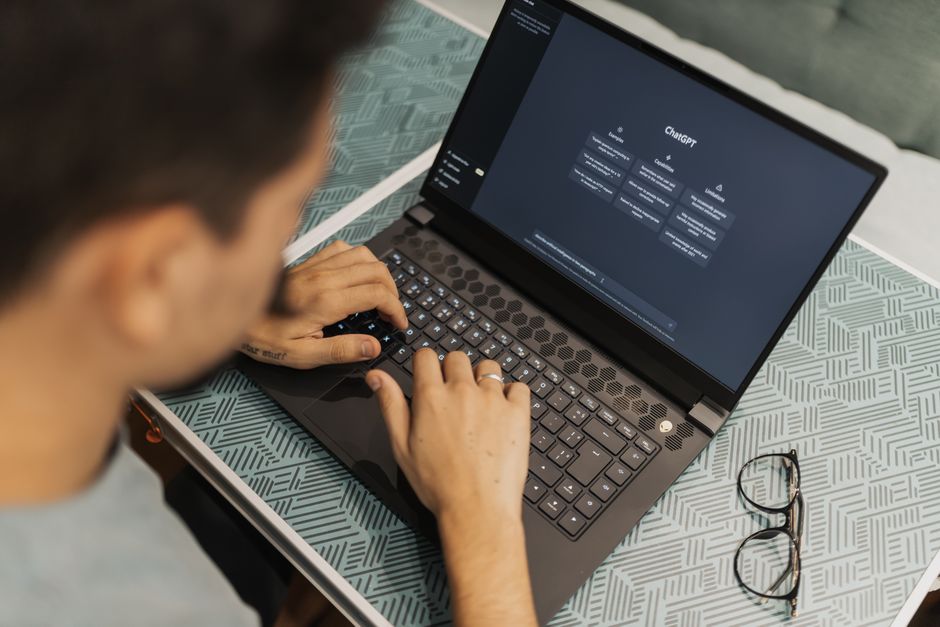
Dans un monde où les innovations technologiques progressent à un rythme fulgurant, comment ces avancées façonnent-elles le marché du travail ? Des concepts tels que l’intelligence artificielle, l’automatisation et le télétravail redéfinissent les rôles traditionnels et engendrent de nouvelles opportunités. Pour les professionnels et les étudiants, saisir l’ampleur de ce Lire la suite…
Sécuriser son environnement numérique facilement

Comprendre les enjeux de la sécurité numérique La sécurité numérique est-elle vraiment une priorité dans un monde de plus en plus interconnecté ? En effet, la sécurité numérique désigne l’ensemble des pratiques et technologies mises en place pour protéger les données personnelles et les systèmes informatiques contre les intrusions et Lire la suite…
L’impact de l’IA sur le monde professionnel
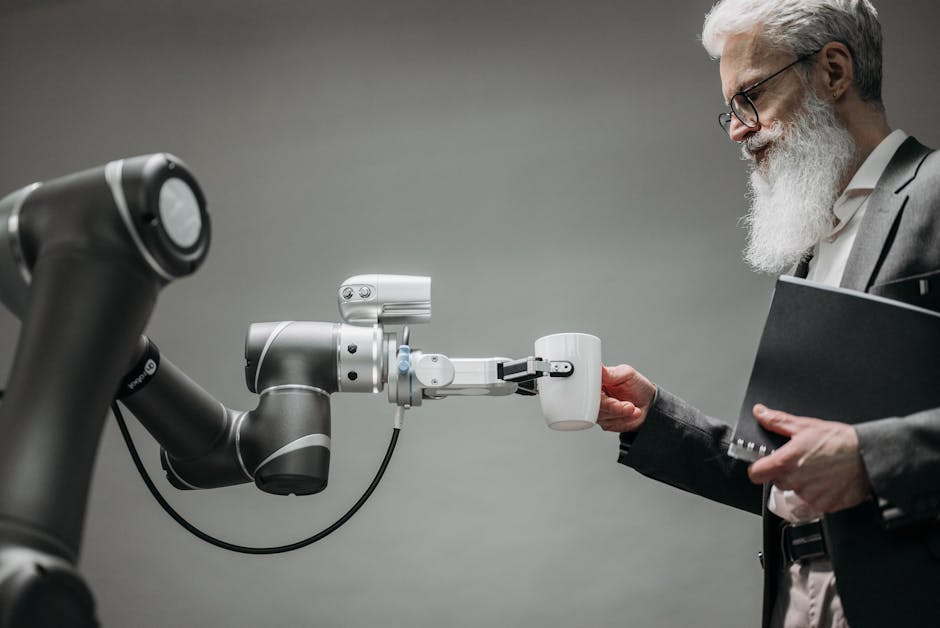
Introduction à l’impact de l’IA sur le monde professionnel Comment l’intelligence artificielle redéfinit-elle notre conception du travail ? L’intelligence artificielle (IA) se définit comme un ensemble de technologies avancées, telles que l’apprentissage automatique et le traitement du langage naturel, qui sont capables d’exécuter des tâches normalement associées à l’intelligence humaine. Lire la suite…
Boostez votre productivité grâce aux bons accessoires

Identifiez vos besoins pour choisir les bons accessoires Êtes-vous vraiment conscient des défis quotidiens qui entravent votre productivité ? Commencer par évaluer vos tâches quotidiennes et les obstacles que vous rencontrez en matière de productivité est essentiel. Dressez une liste de vos principales activités professionnelles et personnelles. Réfléchissez aux points Lire la suite…